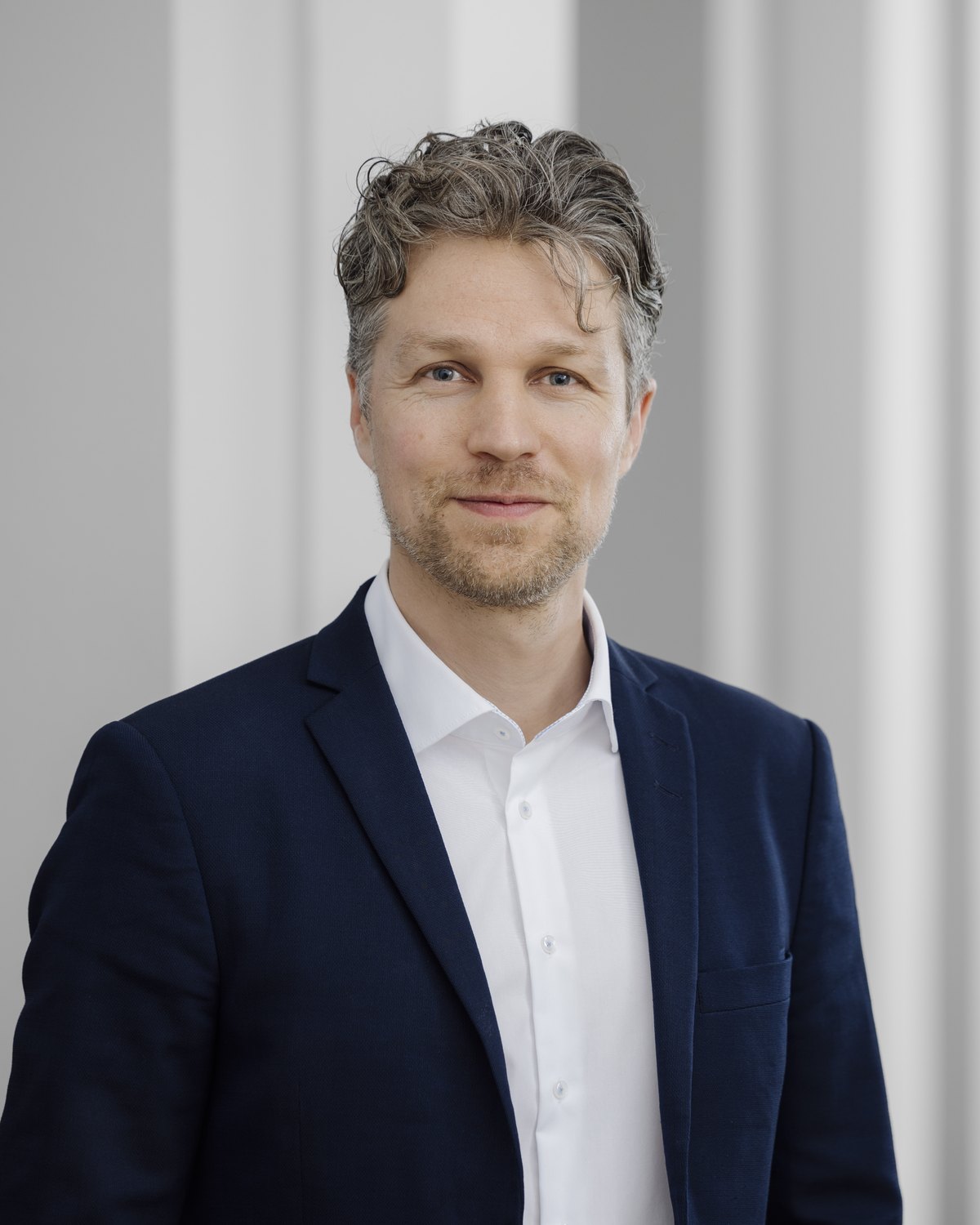
Director · Lab for Artificial Intelligence in Medicine
Daniel Truhn
Univ.-Prof. Dr. med. Dipl.-Phys., M.Sc.
Physicist, physician and radiologist bringing machine learning into clinical practice — University Hospital RWTH Aachen.
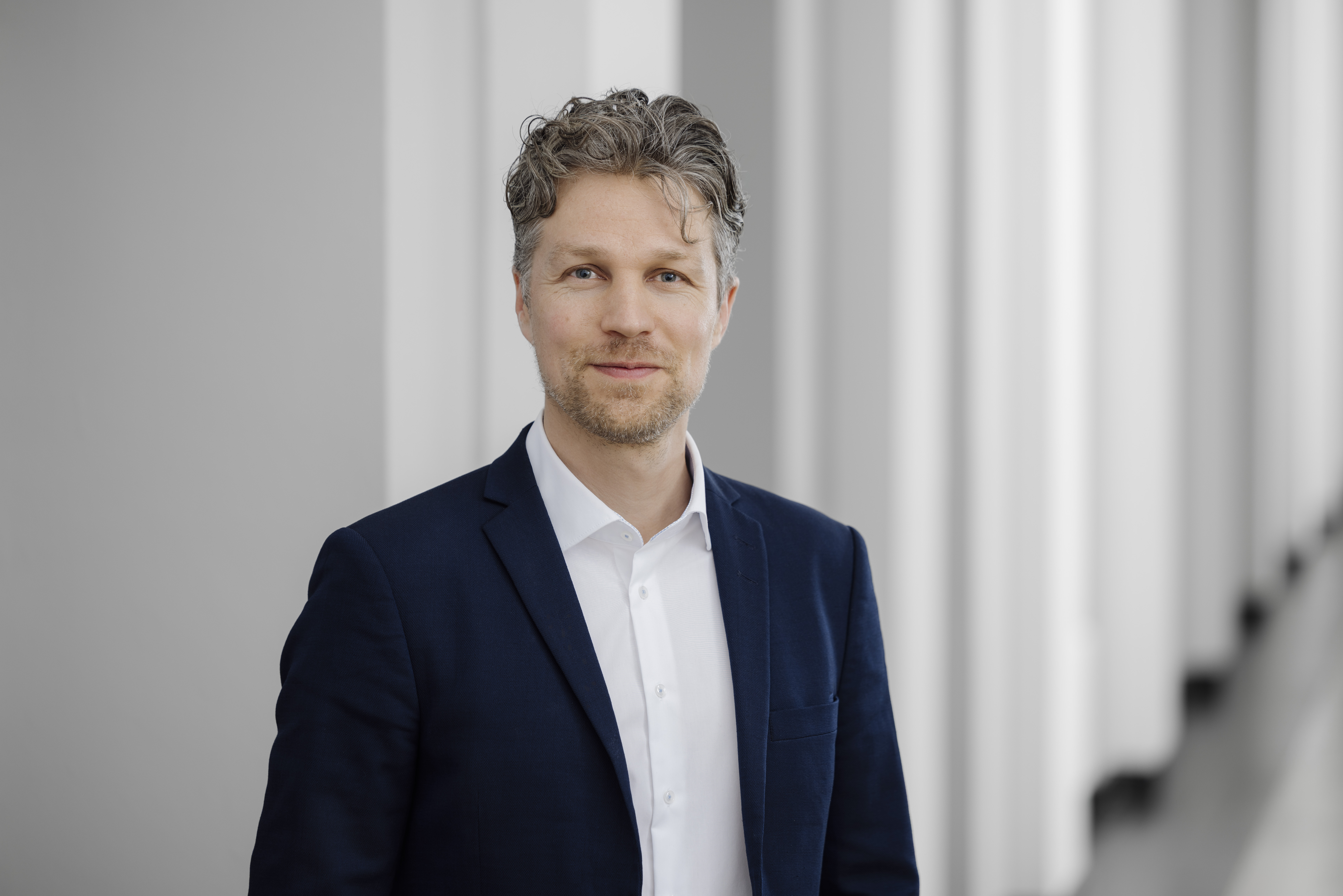
Press & media kit. Everything on this page may be used for academic and editorial purposes — invitations, programmes, interviews and press coverage — without further permission. Please credit photographs as indicated.
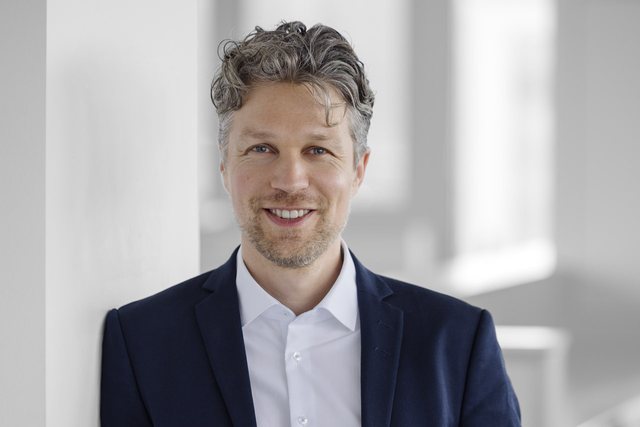
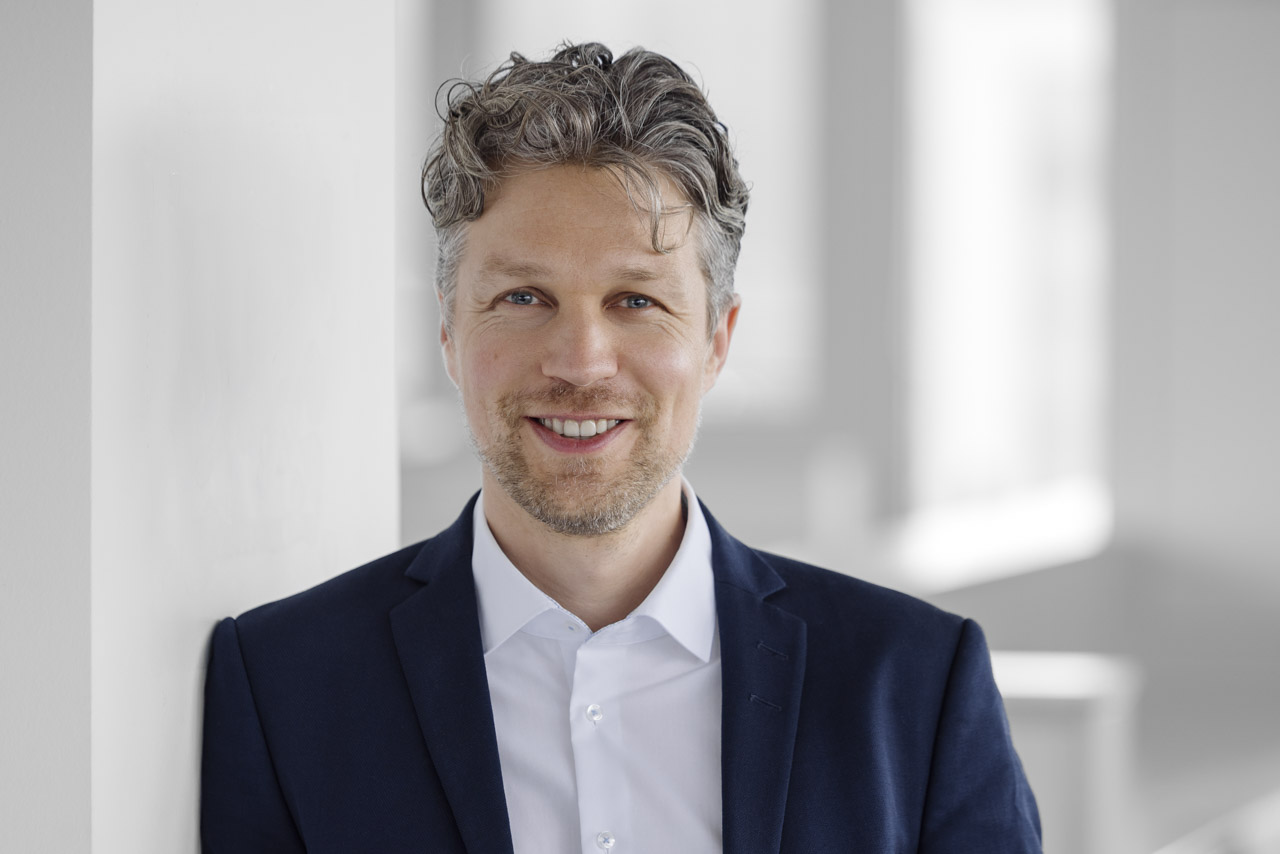
Photograph
Biography
Three lengths for different uses. Copy the one you need.
Short bio 50 words
Daniel Truhn is a physicist, physician and board-certified radiologist who directs the Lab for Artificial Intelligence in Medicine at University Hospital RWTH Aachen. His research brings machine learning into clinical practice, from medical imaging to multimodal and agent-based medical AI. He holds an ERC Starting Grant for the project SAGMA.
Medium bio 159 words
Daniel Truhn is a physicist, imaging scientist and clinical radiologist with a dedicated focus on machine learning and magnetic resonance imaging. After studying physics at RWTH Aachen University and Imperial College London, he went on to study medicine at RWTH Aachen University. In 2013 he completed his MD thesis on the compatibility of positron emission tomography and magnetic resonance imaging and joined the Department of Diagnostic and Interventional Radiology at University Hospital RWTH Aachen, where he became a board-certified radiologist in 2019. Alongside his clinical work he spent two years as a research fellow at the Institute of Imaging and Computer Vision (RWTH Aachen University) before returning to the clinic. Today he directs the Lab for Artificial Intelligence in Medicine. His research focuses on bringing machine-learning methods into clinical practice and on bridging the gap between research possibilities and clinical applicability. In 2025 he was awarded an ERC Starting Grant for SAGMA, an agent-based system for general medical AI.
Long bio 310 words
Daniel Truhn (Univ.-Prof. Dr. med. Dipl.-Phys., M.Sc.) is a physicist, imaging scientist and clinical radiologist whose work sits at the intersection of machine learning and medicine. He studied physics at RWTH Aachen University and Imperial College London and subsequently medicine at RWTH Aachen University. In 2013 he completed his MD thesis on the compatibility of positron emission tomography and magnetic resonance imaging and joined the Department of Diagnostic and Interventional Radiology at University Hospital RWTH Aachen, where he became a board-certified clinical radiologist in 2019. In parallel he pursued his interest in machine learning as a research fellow at the Institute of Imaging and Computer Vision (RWTH Aachen University) for two years before returning to the clinic.
He now directs the Lab for Artificial Intelligence in Medicine at University Hospital RWTH Aachen, a young and interdisciplinary team of physicians, physicists and computer scientists. The lab develops deep-learning methods for clinical routine data across five research directions: multimodal AI, generative models such as diffusion models and GANs, large language models, cancer imaging and musculoskeletal imaging. A recurring theme of his work is translation: bringing methods from research into clinical practice and closing the gap between what is technically possible and what is clinically useful.
His group is funded by the German Research Foundation (DFG), the German Federal Ministry of Research, Technology and Space, the European Union and the European Regional Development Fund, and it contributes to large collaborative projects including ODELIA, DECIPHER-M, JAIF and KIMONA. In 2025 he was awarded an ERC Starting Grant for SAGMA – Synergistic Agents for General Medical AI, which develops an agent-based system in which specialised AI models collaborate under a central intelligent manager to support physicians with comprehensive, evidence-based analyses. His research has appeared in journals including Nature Machine Intelligence, npj Digital Medicine and Science Advances; a full publication list is available on Google Scholar.
Affiliations
- Lab for Artificial Intelligence in Medicine, Department of Diagnostic and Interventional Radiology, University Hospital Aachen, Aachen, Germany
- Department of Diagnostic and Interventional Radiology, University Hospital Aachen, Aachen, Germany
Disclosures
DT received honoraria for lectures by Philips, Bayer, GE, AstraZeneca, Gilead, Roche, and MSD and holds shares in StratifAI GmbH, Germany and in Synagen GmbH, Germany.
Updated:
Funding
DT is supported by the German Federal Ministry of Research, Technology and Space (Transform Liver – 031L0312C, DECIPHER-M – 01KD2420B), the Deutsche Forschungsgemeinschaft – DFG (515639690), and the European Union (Horizon Europe, ODELIA – GA 101057091, ERC Starting Grant SAGMA – GA 101222556). Funded by the European Union. Views and opinions expressed are however those of the author(s) only and do not necessarily reflect those of the European Union or the European Research Council Executive Agency. Neither the European Union nor the granting authority can be held responsible for them.
Updated:
All current lab grants (11)
- SAGMA – Synergistic Agent for General Medical AI
European Union, Horizon Europe (ERC Starting Grant), grant agreement No. 101222556 - JAIF – JUPITER AI Factory
European Union, Horizon Europe, grant agreement No. 101250682 - ODELIA – Open Source Swarm Learning to Empower Medical AI
European Union, Horizon Europe, grant agreement No. 101057091 - DECIPHER-M – Deciphering Metastasis with Multimodal AI Foundation Models
German Federal Ministry of Research, Technology and Space, grant No. 01KD2420B - KIMONA – AI-Based Reporting Optimisation for Cancer Registries in NRW
European Regional Development Fund (ERDF), grant No. IN-GE-3-034b - Transform Liver – Scaling up Vision Transformers for Biomarkers in Liver Disease
Federal Ministry of Research, Technology and Space, grant No. 031L0312C - SWAG – Swarm Learning and Generative Models in Cancer Medicine
Federal Ministry of Research, Technology and Space, grant No. 01KD2215B - CLIMB – Contrastive Language-Image Analysis for MR Breast Cancer Diagnosis
German Federal Ministry of Research, Technology and Space, grant No. 01KD2430 - Radiomic analysis of DCE breast MRI for improved diagnosis of breast cancer
German Research Foundation (DFG), grant No. 515639690 - DFG Computational Biomechanics
German Research Foundation (DFG), grant No. 517243167 - DFG Detection of Early Osteoarthritis
German Research Foundation (DFG), grant No. 417508432
Details, partners and durations are on the Funding page.
Contact
For invitations, interviews and media requests please write to labaimedicine@gmail.com.